Getting Started with Ledger: Secure Your Cryptocurrency with Confidence
In the rapidly evolving world of cryptocurrency, managing digital assets securely is of paramount importance. With the rise in cyberattacks, phishing scams, and digital theft, ensuring that your cryptocurrency is protected has never been more critical. Ledger, a leading name in hardware wallets and secure crypto storage solutions, provides both the tools and guidance to help individuals take control of their digital assets safely and efficiently. This guide will walk you through getting started with Ledger, highlight its core features, and show how it empowers users to manage their cryptocurrencies with confidence.
Understanding Ledger and Its Purpose
Ledger is primarily known for its hardware wallets, devices designed to store the private keys associated with your cryptocurrency offline. Private keys are essential for accessing and controlling your digital assets. If these keys fall into the wrong hands, your funds can be stolen. Ledger wallets protect these keys from online threats by keeping them offline, significantly reducing the risk of hacking.
The platform also offers software solutions that integrate seamlessly with its hardware wallets. Together, these tools create an ecosystem that allows users to buy, sell, store, and manage a wide range of cryptocurrencies safely. Ledger combines security with usability, making cryptocurrency management accessible to both beginners and experienced users.
Why Security Matters in Cryptocurrency
Unlike traditional bank accounts, cryptocurrencies are decentralized. This means that if your funds are stolen, there is no central authority to appeal to or reverse transactions. Your financial security rests entirely in your hands.
Cybercriminals often target weak points in a user’s digital setup, including unprotected wallets, compromised email accounts, and insecure devices. Hardware wallets like Ledger mitigate many of these risks by storing private keys offline and requiring physical confirmation for transactions. Even if a hacker gains access to your computer, they cannot access your funds without your Ledger device.
Choosing the Right Ledger Device
Ledger offers multiple hardware wallet options to suit different user needs:
Ledger Nano S: A compact, entry-level device suitable for beginners. It supports a wide range of cryptocurrencies and offers essential security features in a small form factor.
Ledger Nano X: An advanced device with Bluetooth capabilities, allowing for mobile use without compromising security. It supports a larger number of apps and can store more cryptocurrencies simultaneously, ideal for active investors.
Choosing the right device depends on your personal needs. Beginners may start with the Nano S, while those managing larger portfolios or requiring mobile access may prefer the Nano X.
Setting Up Your Ledger Wallet
The setup process for a Ledger wallet is straightforward and includes initializing the device, securing your recovery phrase, and connecting it to the Ledger ecosystem.
Initializing the Device: When you first turn on your Ledger wallet, you’ll be prompted to create a PIN code. This PIN adds an extra layer of security.
Securing Your Recovery Phrase: The device generates a 24-word recovery phrase, crucial for recovering your funds if the device is lost, stolen, or damaged. Store this phrase securely offline and never share it.
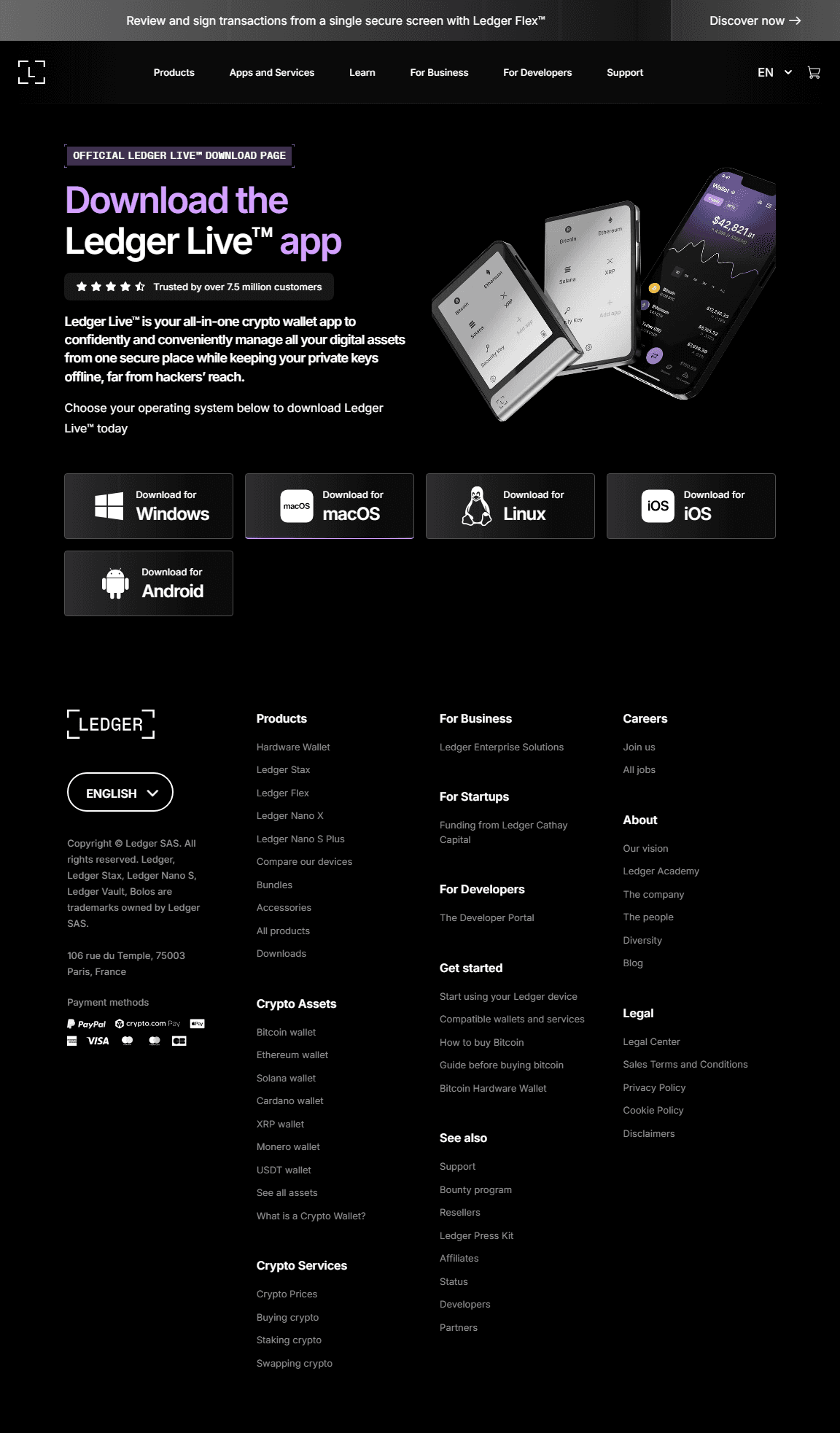
Connecting to Ledger Live: Ledger Live is the companion software that allows you to manage cryptocurrencies, check balances, send and receive funds, and install applications for different cryptocurrencies.
Using Ledger Live
Ledger Live is designed to make cryptocurrency management intuitive and secure. Its key features include:
Portfolio Overview: View the total value of your holdings and detailed insights for each cryptocurrency.
Transaction Management: Send and receive funds securely, with all transactions verified on your hardware wallet.
App Management: Install and uninstall apps for different cryptocurrencies as needed.
Security Alerts: Receive notifications and guidance on best security practices.
Expanding Your Cryptocurrency Portfolio
Ledger supports a wide range of cryptocurrencies, from Bitcoin and Ethereum to lesser-known altcoins. Using Ledger Live to install specific apps for each cryptocurrency allows you to monitor and transact with your holdings while keeping them secure.
Best Practices for Security
Even with a secure hardware wallet, following best practices is essential:
Never Share Your Recovery Phrase: Anyone with access can control your funds.
Keep Software Updated: Ledger releases firmware updates to enhance security.
Use Strong PIN Codes: Avoid simple sequences or repeated numbers.
Be Wary of Phishing Attempts: Always verify sources before sharing details.
Benefits Beyond Security
While security is the primary advantage, Ledger also offers:
Peace of Mind: Your private keys are offline and protected.
User-Friendly Interface: Ledger Live makes complex operations accessible.
Portability: Devices like the Nano X enable secure mobile management.
Long-Term Storage: Ideal for storing cryptocurrencies for the long term.
Conclusion
Getting started with Ledger is a significant step toward taking control of your cryptocurrency assets. From selecting the right hardware wallet to understanding the importance of security, Ledger provides the tools and knowledge necessary to manage digital currencies safely. By following best practices, staying vigilant against threats, and leveraging the powerful features of Ledger Live, users can confidently navigate the cryptocurrency landscape.
Ledger is more than just a hardware wallet—it is a complete ecosystem for secure cryptocurrency management. Whether you are a beginner or an experienced investor, Ledger offers the security, functionality, and peace of mind essential in today’s digital economy. Starting with Ledger is not just about protecting your assets—it’s about empowering yourself to participate confidently in the future of finance.